
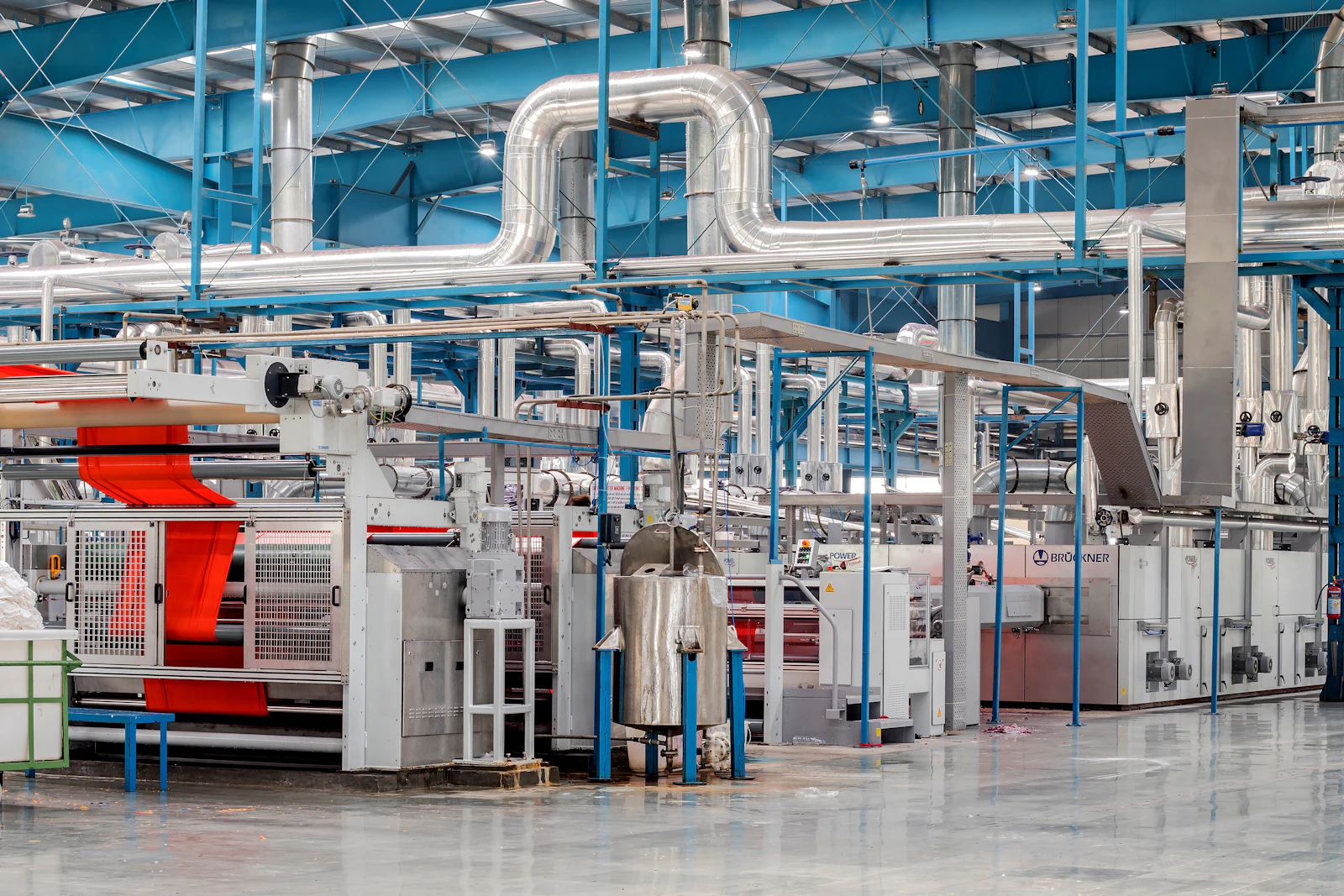
Compressed air is the most overlooked utility in a food plant — until it stops. Fillers, labellers, case packers and valves all depend on it. When an Atlas Copco compressor trips or delivers wet, oily air, half the factory feels it within minutes.
The good news: compressor reliability is almost entirely about doing the right service at the right time.
Why compressed air quality matters
In many food plants, compressed air touches the product or its packaging, directly or indirectly. Oil, water and particles can:
- Contaminate product or packaging surfaces.
- Damage pneumatic cylinders, valves and grippers.
- Trigger audit findings under food-safety schemes.
- Increase energy costs through higher pressure drops.
The parts in a standard service kit
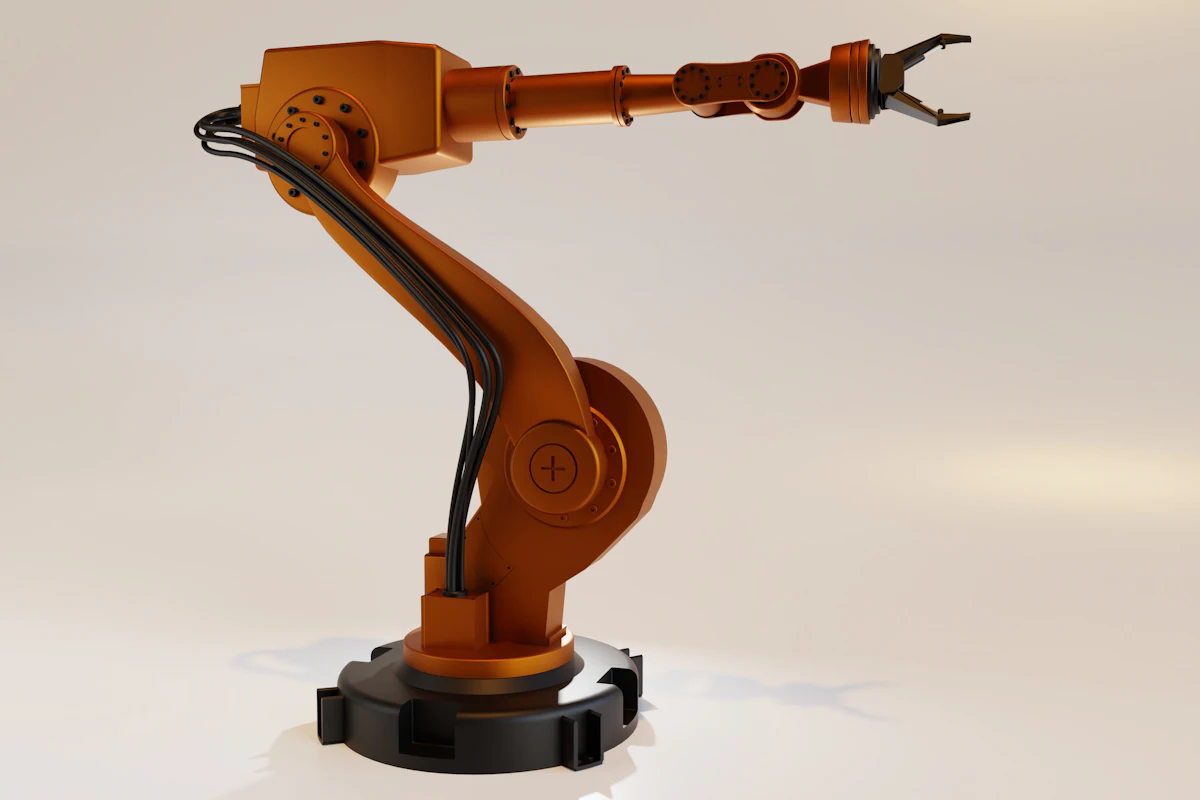
A typical Atlas Copco oil-injected screw compressor service includes:
- Air filters — protect the compressor element from dust.
- Oil filters — keep the lubricating oil clean.
- Oil separators — remove oil from the compressed air before it leaves the machine.
- Compressor oil — the correct grade, often food-grade in food plants.
- Valve kits — minimum pressure, thermostatic and regulating valves.
At longer intervals, add coupling elements, bearings and pressure switches.
Typical service intervals
- Every 2,000 hours (or yearly): air filter, oil filter, oil.
- Every 4,000 hours: add the oil separator.
- Every 8,000 hours: valve kits and couplings, plus a full inspection.
A blocked air filter or separator does not stop the compressor — it just makes it work harder. Check the pressure-drop indicators every week.
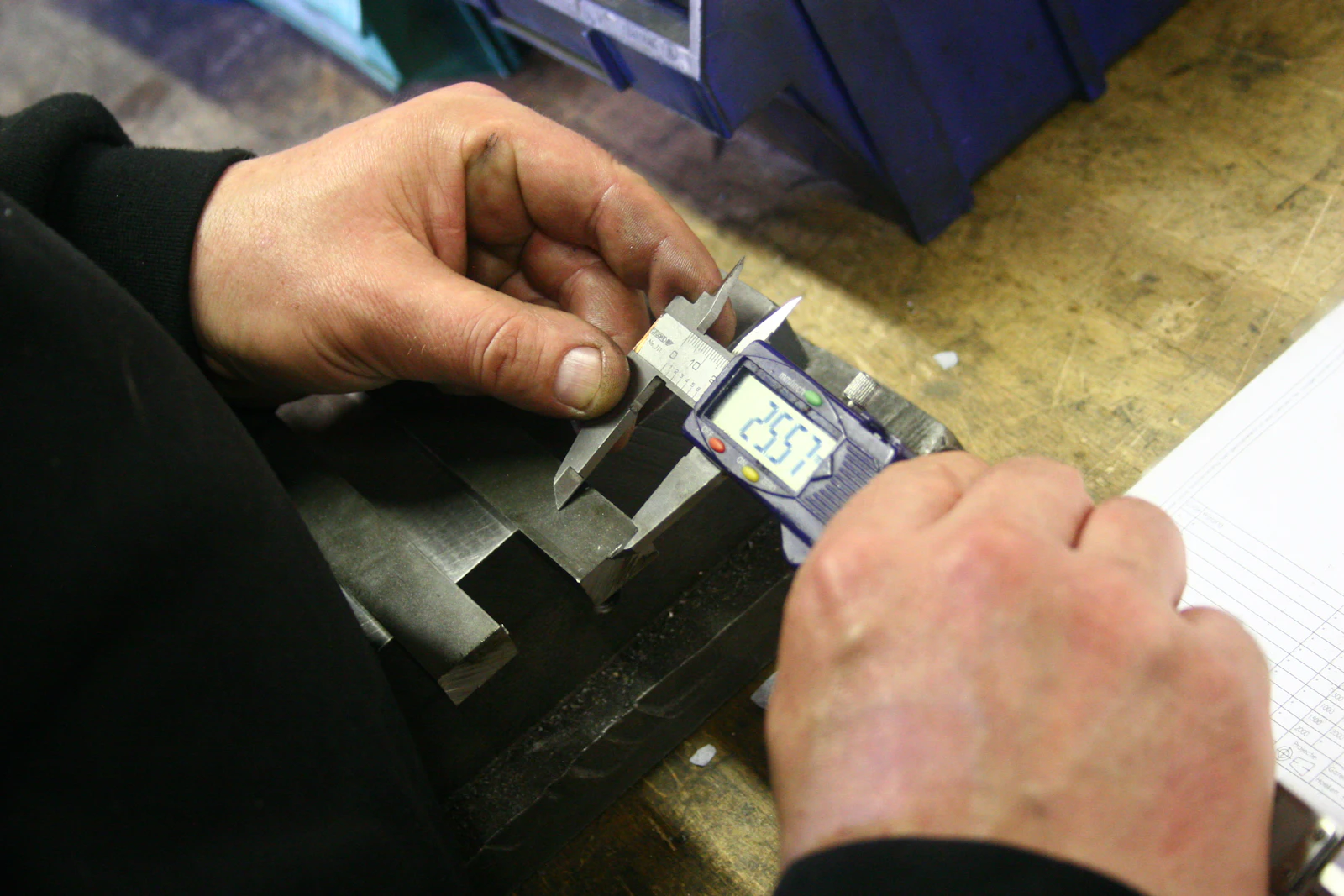
Warning signs between services
- Rising oil consumption — separator or scavenge line problems.
- Higher outlet temperature — cooler fouling, oil or thermostatic valve issues.
- Frequent loading and unloading — leaks or regulating-valve problems.
- Water in the air network — dryer or drain failures.
- Unusual noise — coupling or bearing wear.
Downstream: dryers, filters and pneumatics
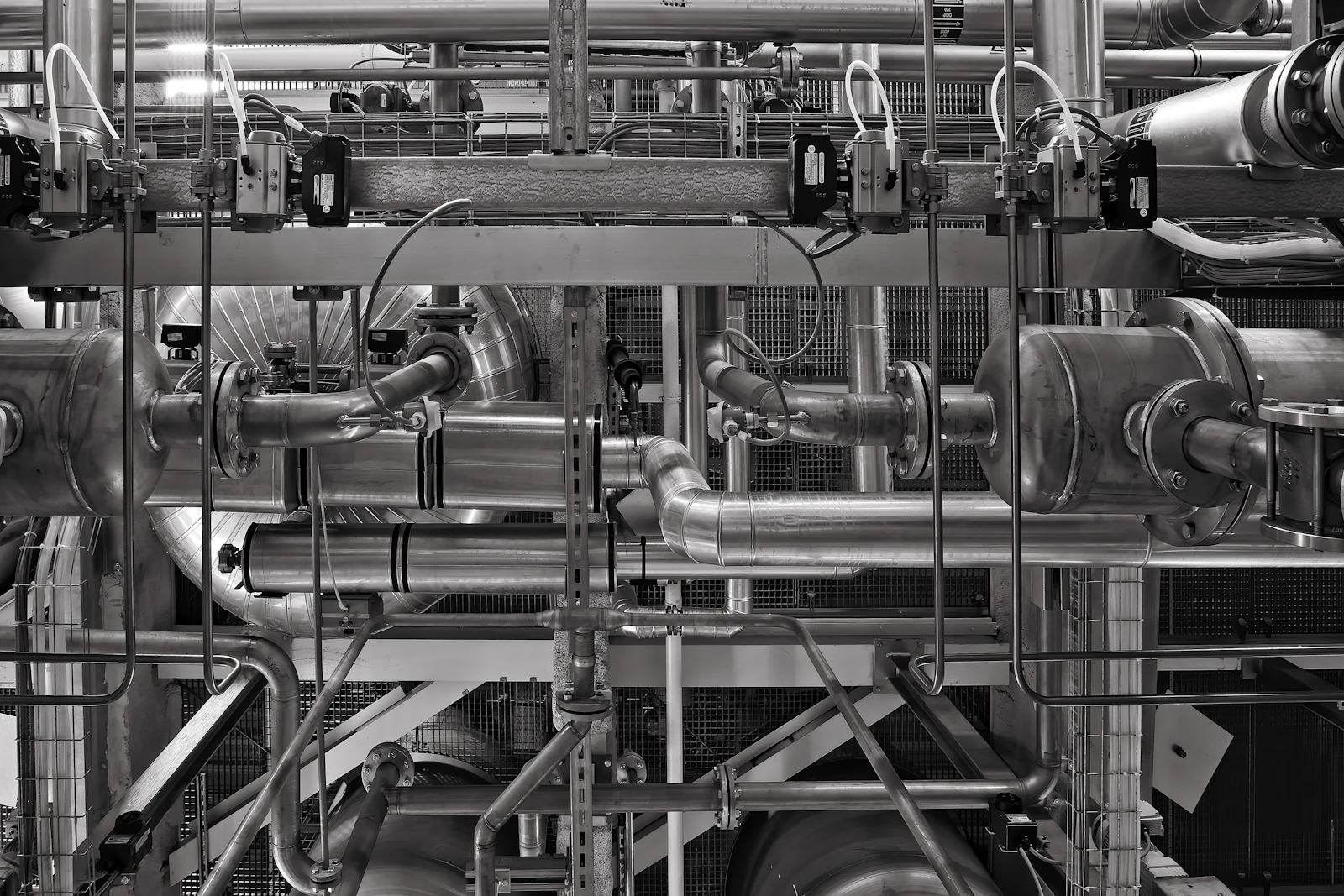
Air quality is decided after the compressor too. Check refrigerant or desiccant dryers, line filters and condensate drains regularly.
Wet or oily air quickly damages downstream equipment. On Endoline case erectors, you will see it as sticky pneumatic cylinders and weak suction cups. On Helios systems, solenoid blocks suffer first.
What to keep in stock
- One complete service kit per compressor model on site.
- A spare oil separator and air filter (the parts most often needed urgently).
- Drain valves and dryer filter elements.
- Coupling elements for critical compressors.
Reducing energy use at the same time
Compressed air is expensive energy. Simple wins:
- Fix leaks — they often account for a large share of air demand.
- Lower the network pressure to what equipment actually needs.
- Replace separators and filters on time to cut pressure drop.
- Turn off air to idle lines and machines.

Sourcing service kits quickly
Service kits are easy to plan — and easy to forget. Our spare parts team can supply kits for each interval so they arrive before the service date, and express logistics covers urgent breakdowns.
Compressed air also drives your labelling systems — a good reason to include the compressor in your critical spares list.
Key terms explained
Oil-injected screw compressor: a compressor where oil cools and seals the screw element; the oil must then be separated from the air.
Oil separator: the element that removes oil mist from the compressed air inside the compressor.
Minimum pressure valve: keeps internal pressure high enough for oil circulation and separation.
Pressure dew point: the temperature at which water condenses in compressed air — the key measure of dryer performance.

Compressed-air quality classes
Compressed-air quality is usually described by three values: particles, water and oil. Food plants define the class they need for each use — for example, stricter limits where air contacts product directly, and standard limits for general pneumatic tools.
Measure air quality at the point of use, not only at the compressor. Contamination can enter through old pipework, failing drains or blocked filters.
Planning service across several compressors
Sites with more than one compressor can stagger services so one machine is always available. Keep a service calendar based on running hours from each controller, and order kits a few weeks ahead. Matching kits to the exact compressor model and serial number avoids the most common delay: the wrong separator or filter size.
A worked example from a bakery
A bakery's main Atlas Copco compressor had been running well past its 4,000-hour service. It did not stop, but oil carry-over increased, line filters blocked quickly, and pneumatic cylinders on the packaging line started sticking.
The full service kit, including a new oil separator, was installed. Oil carry-over dropped, downstream filters lasted normally again, and the packaging line's pneumatic faults stopped. Energy use also fell because the pressure drop across the separator returned to normal.
The bakery now orders the next service kit as soon as each service is completed, so it is always on the shelf when needed.
Common mistakes to avoid
- Extending service intervals because the compressor "still runs fine".
- Using non-food-grade oil in compressors serving food areas.
- Ignoring pressure-drop indicators on filters and separators.
- Forgetting the dryer and drains, which decide air quality as much as the compressor.
- Leaving air leaks unrepaired, which wastes energy and overloads the compressor.
Key takeaways
- Compressed air quality affects product safety and downstream equipment.
- Service kits include air filters, oil filters, oil separators, oil and valve kits.
- Follow running-hour intervals and watch pressure drops between services.
- Keep one service kit per compressor model on site.
- Fix leaks and lower network pressure to cut energy costs.