
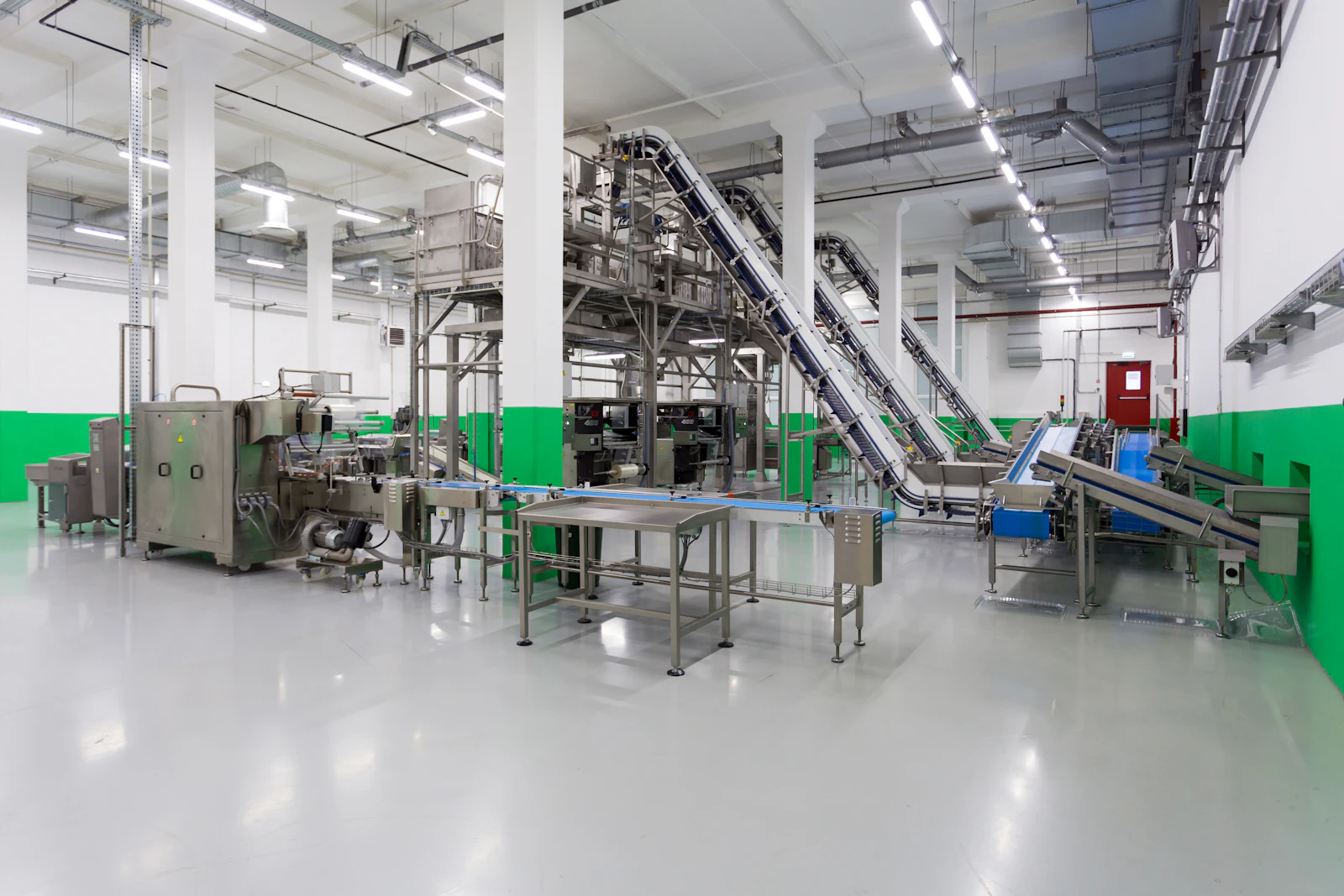
On a Krones bottling line, bottles spend most of their journey being handed from one starwheel to the next. Every handoff is a chance for a jam, a scuffed label or a broken bottle. In most cases the root cause is not the machine — it is a worn change part.
This guide covers the parts that matter most, how to recognise wear, and how to make format changeovers faster and more predictable.
The change parts that control your line
Change parts are the format-specific components you swap when the bottle size or shape changes. On a typical Krones filler and labeller the critical ones are:
- Starwheels — infeed, transfer and discharge.
- Centering bells — hold the bottle centred under the filling valve.
- Gripper fingers — neck-handling transfer stars.
- Guide rails and screw conveyors (feed screws).
- Filling valves and their vacuum seals.
Each part is cheap compared with an hour of lost production. That is why stocking them correctly pays back so quickly.
How starwheel wear shows up on the line
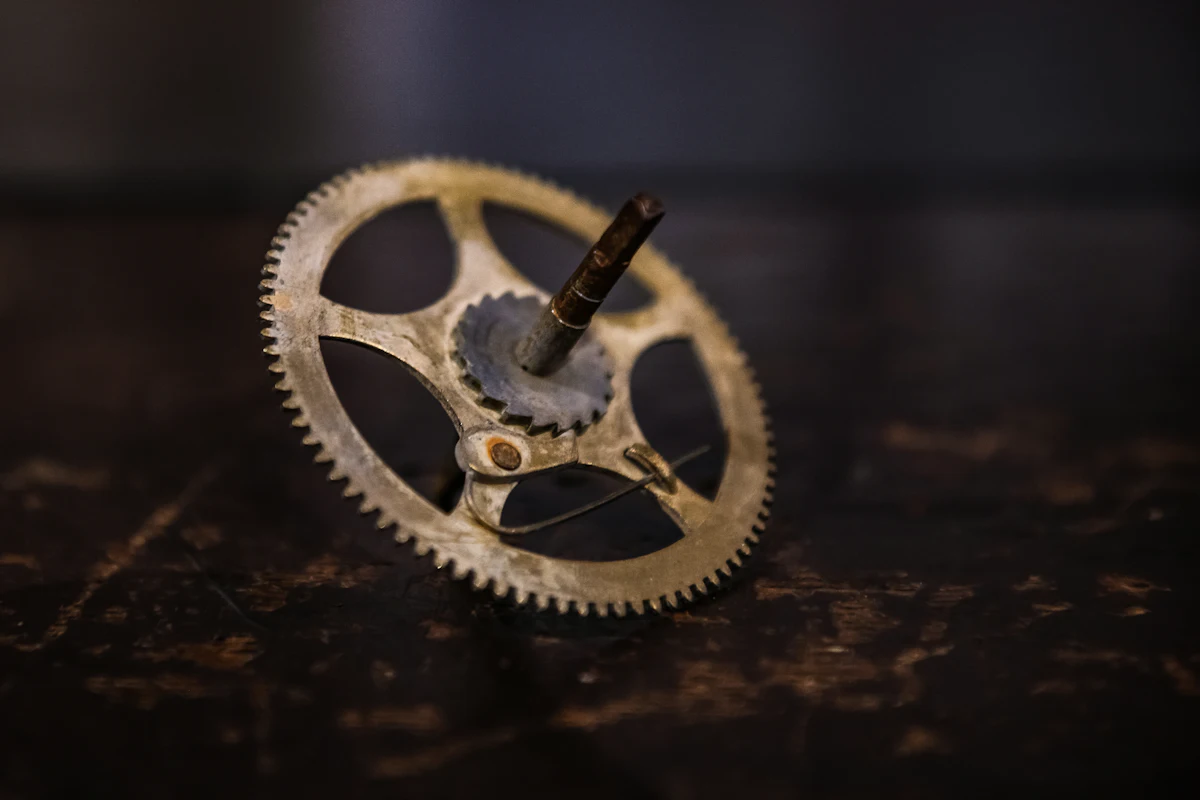
Starwheels are usually made from engineering polymers. They do not break suddenly — they wear. Watch for:
- Rounded or polished pocket edges — bottles can rotate or tilt in the pocket.
- Fine cracks near the hub — often from over-tightening or impact during jams.
- Increasing jams at one transfer point after a format change.
- Scuff marks on bottles or labels in the same position every time.
- Noise or vibration at speed that was not there before.
If jams always happen at the same transfer, measure that starwheel before you touch the timing. Adjusting timing to compensate for wear only moves the problem.
Centering bells and gripper fingers: small parts, big impact
A worn centering bell lets the bottle sit slightly off-centre under the filling valve. The result is foaming, inaccurate fill levels and product on the bottle shoulder. Replace the bell's rubber insert or the complete bell as soon as fill-level variation starts rising.
Gripper fingers wear at the contact surface and the spring. Weak grip means dropped bottles at speed — usually discovered as broken glass in the transfer star.

What to stock for each format
A practical rule for most plants:
- Per active format: one complete change-part set, stored together and labelled.
- Per line: spare infeed and discharge starwheels for your two highest-volume formats.
- Consumables: centering-bell inserts, gripper-finger springs and pads, filling-valve seals.
- Seasonal formats: inspect and refurbish before the season, not during it.
If your line also includes a Sidel blow moulder or a Zalkin capper, add their gripper pads and capping chucks to the same plan. One plan per line is easier to manage than one per machine.
Five ways to speed up format changeovers
- Kit the parts — store each format's change parts on one labelled trolley.
- Mark positions — colour codes or numbers for every starwheel position.
- Pre-set before the stop — prepare and inspect the next format's parts while the line still runs.
- Use a checklist — torque values, timing checks and a first-bottle inspection.
- Measure the result — record changeover time and first-hour rejects for every change.
Most plants that kit and pre-set change parts cut changeover time by a third without touching the machine itself.
When the OEM part is discontinued
Older Krones, Sidel and Zalkin lines often run formats whose original change parts are no longer listed. You still have options:
- Make to drawing if you have the original drawing.
- Reverse-engineer from a good sample, with dimensional inspection.
- Upgrade the material — for example, a more wear-resistant polymer for a high-speed position.
Our plant engineering team handles these projects, and our spare parts service documents material and dimensions for your records.
Keep the whole line in view
Change parts are only one part of line reliability. Labelling stations have their own wear items — see the labelling systems category — and the filler valves need a separate seal plan. For a structured approach across every machine, read our guide to building a critical spares list for a bottling line.
Key terms explained
Change parts: format-specific components swapped when bottle size or shape changes — starwheels, guides, feed screws, centering bells.
Starwheel: a star-shaped wheel with pockets that carries bottles between machines at constant pitch.
Feed screw (infeed worm): a helical screw that spaces bottles to the right pitch before the first starwheel.
Centering bell: the part that holds the bottle neck centred and sealed under the filling valve.
How to measure starwheel wear
You do not need special tools to check a starwheel:
- Clean the starwheel and mark one pocket as the reference.
- Measure pocket width at the top and bottom edge with a calliper.
- Compare with a new part or the drawing; note the difference for each pocket.
- Check the hub for cracks and the bore for ovality.
- Record the results with the date and format.
A difference of around a millimetre in the pocket is often enough to cause problems at high speed, especially with lightweight PET bottles.
Storage that protects your investment
Polymer change parts can warp if stored badly. Keep them flat or hung on dedicated racks, away from heat sources and direct sunlight. Clean them before storage so residue does not harden. A clear label with format, machine and position saves time at every changeover.
A worked example from a brewery
A regional brewery ran four bottle formats on one Krones line. Changeovers took close to two hours, and the first hour after each change produced frequent jams at the filler discharge.
Measurements showed that the discharge starwheel for the most common format was worn by more than a millimetre in the pockets. The brewery replaced it, ordered a second set for that format, and moved all change parts onto labelled trolleys — one per format.
Changeover time fell to around 75 minutes, and first-hour jams almost disappeared. The cost of the new starwheels was recovered in the first month through saved production time.
Common mistakes to avoid
- Adjusting timing to hide wear — it moves the jam to a different transfer point.
- Mixing parts from different formats on the same shelf without clear labels.
- Over-tightening starwheel bolts, which cracks polymer hubs.
- Ignoring centering-bell inserts until fill-level complaints arrive.
- Ordering change parts during the season instead of preparing them beforehand.
Key takeaways
- Most jams and broken bottles come from worn change parts, not machine faults.
- Starwheels, centering bells and gripper fingers wear gradually — measure them.
- Kit change parts per format and pre-set them before the stop.
- Keep spare starwheels for the highest-volume formats.
- Discontinued parts can be made to drawing or reverse-engineered with full documentation.