
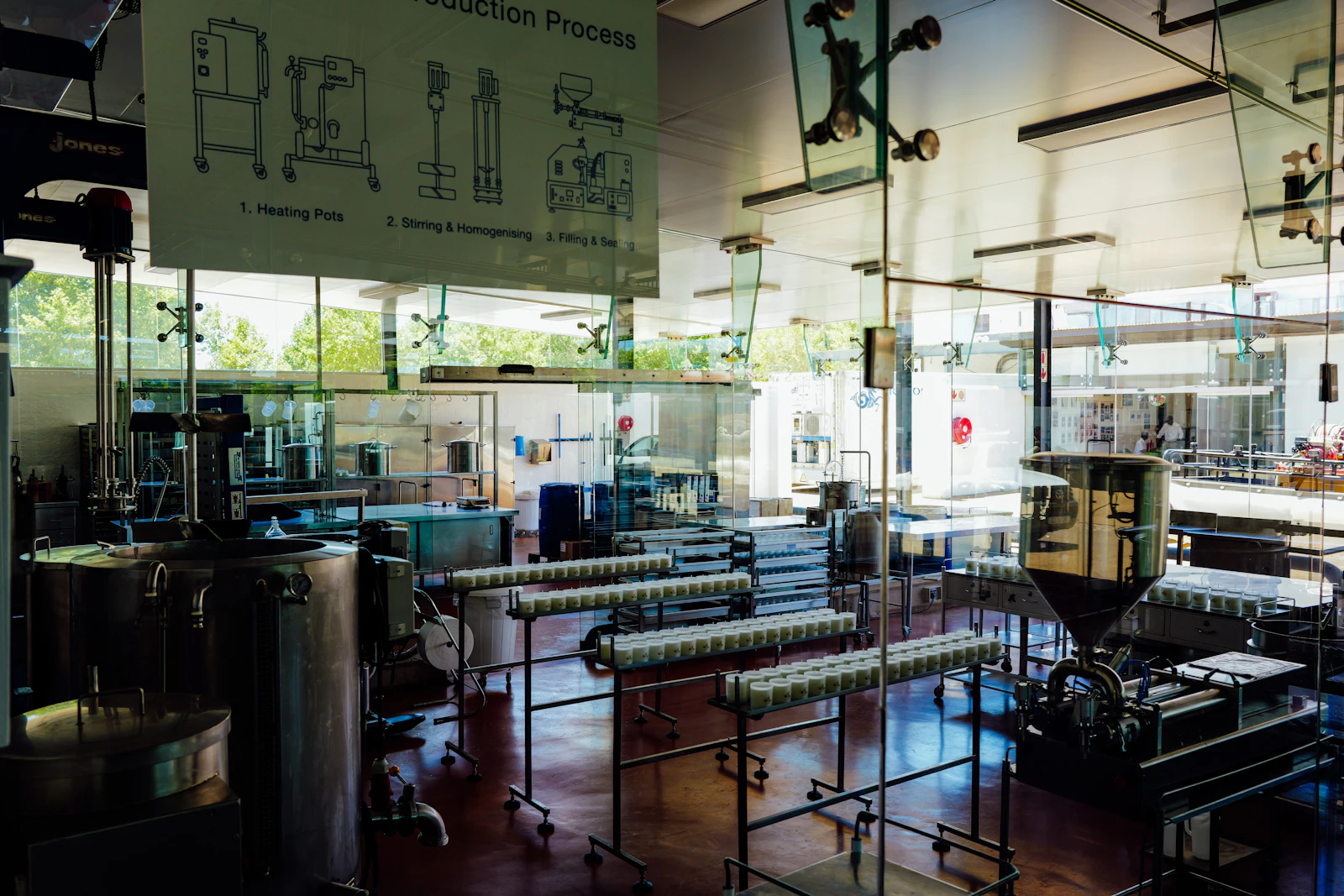
Unexpected breakdowns are the worst enemy of continuous production lines, and the numbers back up the anxiety plant managers feel every time an unfamiliar noise appears on the factory floor.
Recent industry benchmarking suggests a single hour of stopped aseptic filling can cost a mid-sized dairy or beverage plant upward of €25,000 once lost throughput, wasted raw product, and overtime labor are factored in together.
Yet in our experience working with procurement teams across the Baltic and Nordic region, the majority of these losses are preventable, not through better machines, but through better spares strategy.
Stock what will fail next, not what failed last
The core problem is rarely a lack of budget — it is a lack of structured stocking priority. Maintenance teams tend to stock whatever failed most recently, rather than the components statistically most likely to fail next.
Ampionic's Priority Stock program addresses this directly: we work with your maintenance history to identify the seals, valves, sensors, and PLC modules with the highest failure frequency across your specific equipment fleet, then build a stocking plan that keeps those exact components ready to ship same-day.
From emergency orders to planned procurement
Documentation speed is the second lever
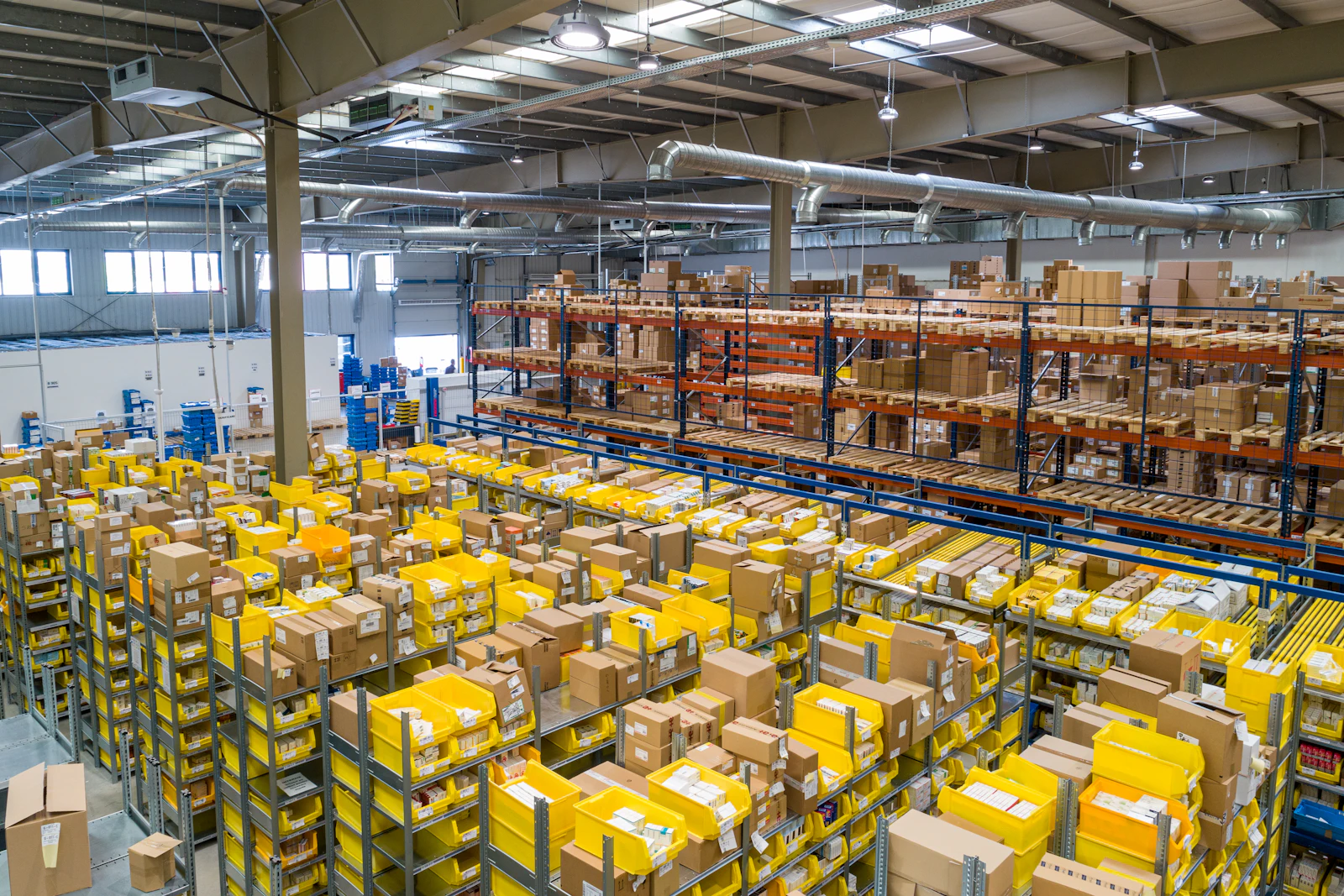
A practical checklist for your next maintenance review
- Export 24 months of work orders and rank components by failure count and downtime minutes, not by cost.
- Mark every component with a supplier lead time longer than your acceptable downtime window.
- For those items, agree buffer quantities and hold them either on site or at a supplier hub such as Tallinn.
- Review obsolescence risk once a year: discontinued parts are cheapest to solve before they fail.
Step-by-step: building your spares strategy
- Export the data. Pull 24 months of work orders and spare-part purchases.
- Rank by downtime, not cost. Sort components by downtime minutes caused, then by frequency.
- Add lead times. For each critical part record OEM and alternative lead times.
- Compare with acceptable downtime. Any part with a lead time longer than the downtime you can accept moves to class A.
- Decide where stock lives. On site for the most critical parts, at a supplier hub for the rest.
- Agree review dates. Quarterly reviews keep quantities aligned with real consumption.
The A/B/C classification
- A — stops the line, long lead time: keep in stock; review monthly.
- B — frequent wear, short lead time: keep a minimum quantity.
- C — rare, short lead time: source on demand.
A spare that sits on a shelf for a year costs less than one hour of a stopped filler.
Typical A-class parts on food and beverage lines
- Aseptic valve seal kits and diaphragms
- Filling valves and centering bells
- Sensors on critical control points
- Sealing jaws and heating elements
- Homogeniser plungers and packing
- Heat exchanger gaskets for the regenerative section
Measuring success
- Downtime hours attributed to missing spares
- Share of emergency versus planned orders
- Average time from failure to installed part
- Inventory value versus downtime avoided
Common mistakes
- Stocking what failed last instead of what is likely to fail next
- Ignoring running changes between machine generations
- Buying on unit price while paying premiums for rush delivery
- No owner for the spares list after the project ends
Checklist for your next maintenance meeting
- Do we know our top 20 downtime-causing parts?
- Do we know OEM and alternative lead times for each?
- Which parts are discontinued or at risk?
- Who reviews the list, and when?