
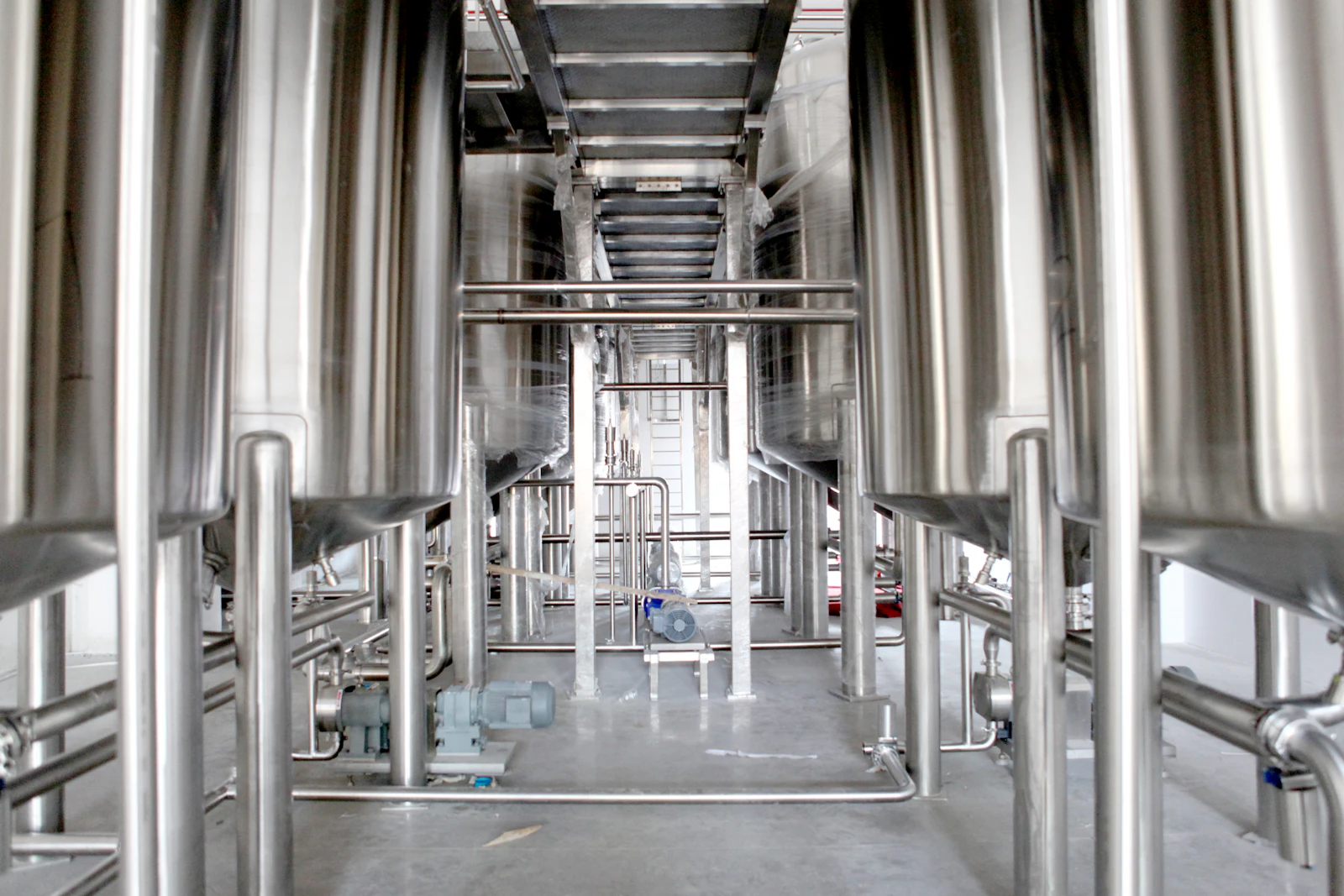
Plate heat exchangers sit at the heart of pasteurisers, CIP systems and cooling circuits. On a Kelvion PHE, the plates themselves can last for many years — but the gaskets between them are consumables. Replace them at the right time and the exchanger stays efficient and safe. Wait too long and you risk leaks or, worse, mixing between product and service media.
How plate heat exchanger gaskets fail
Gaskets age through heat, pressure and chemistry. The typical failure modes:
- Compression set — the gasket flattens and stops springing back.
- Hardening and cracking — from temperature and age.
- Swelling — the material is not compatible with the product or cleaning chemicals.
- Mechanical damage — from incorrect tightening or handling during cleaning.
Each of these reduces sealing force until a leak appears.
Warning signs to watch
- External drips along the edge of the plate pack.
- Lower outlet temperature at the same flow — falling heat transfer.
- Rising pressure drop — fouling or deformed plates.
- Failed cross-contamination test — leakage between circuits.
- Visible gasket damage during inspection or cleaning.
A failed cross-contamination test is not a maintenance item — it is a food-safety event. Stop and open the unit.
Choosing the right gasket material
- EPDM — the standard for hot water, steam and most CIP. See EPDM gaskets.
- NBR — better for fats, oils and milk products at moderate temperatures.
- FKM — for aggressive chemicals and some high-temperature duties.
Always confirm the product, temperature range and cleaning chemistry before ordering. Many early failures are simply the wrong material.
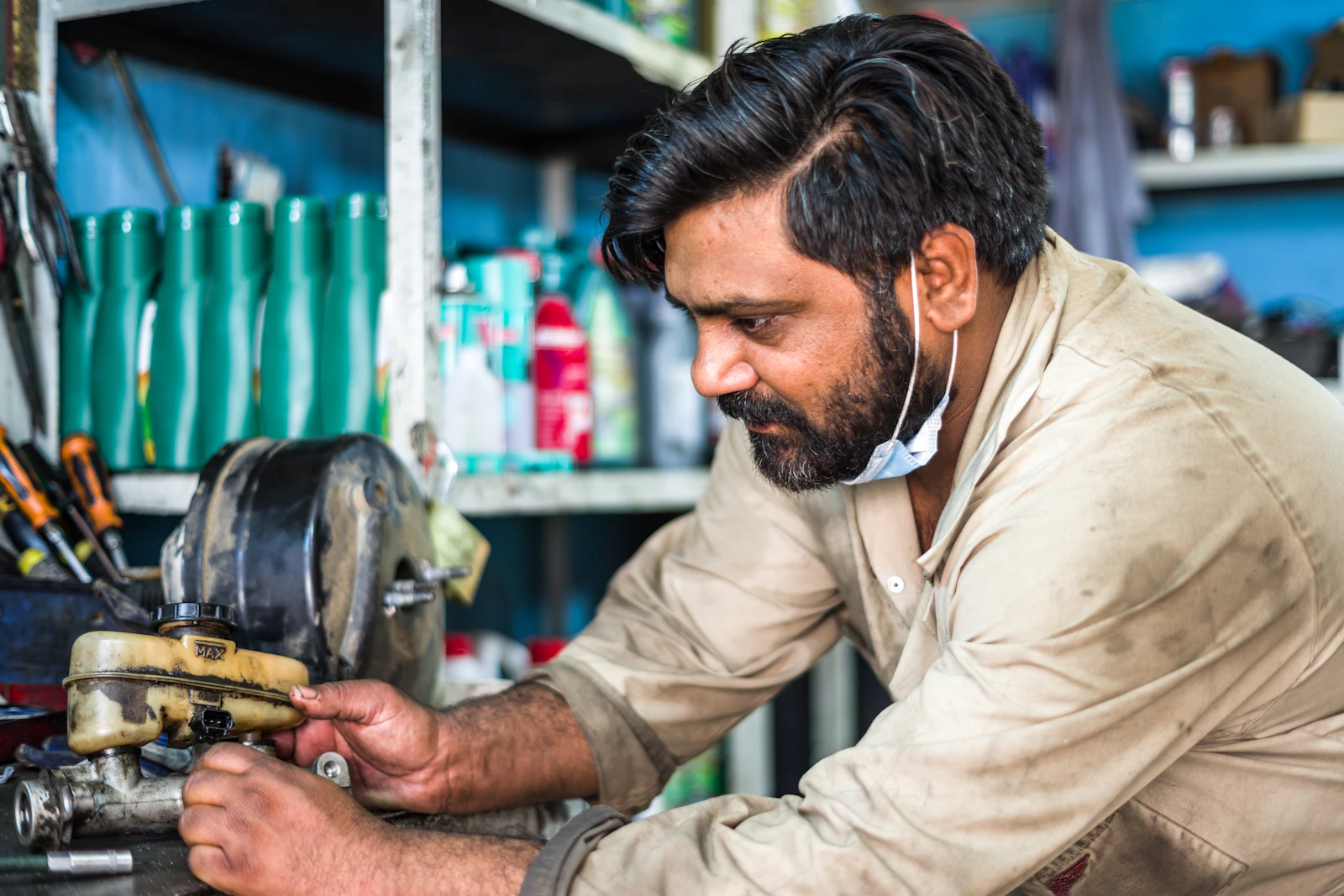
Step-by-step: replacing the gaskets
- Record the plate pack dimension (the "A" measurement) before opening.
- Drain, cool and isolate both circuits.
- Loosen the clamping bolts evenly in a cross pattern.
- Remove plates in order and number them if they are not already marked.
- Clean each plate and inspect for cracks, holes and corrosion.
- Fit new gaskets — glued or clip-on depending on the plate model.
- Reassemble in the correct order and tighten evenly to the recorded dimension.
- Pressure-test and run a cross-contamination check before production.
Inspecting the plates
While the pack is open, inspect every plate carefully:
- Cracks near the ports and corners.
- Pinholes — use dye penetrant if leakage between circuits was found.
- Corrosion or pitting, especially on stainless plates in chloride environments.
- Deformation from over-tightening.
Titanium plates resist corrosion far better than stainless steel, but they can still crack. Replace any damaged plate rather than re-gasketing it. Check the flow distributors and connection port sleeves at the same time.
What to keep in stock
- One full gasket set per exchanger, in the correct material.
- A small number of spare plates for each plate type (the ones nearest the ports wear first).
- Port sleeves and clamping bolt sets.
For plants with several exchangers from Kelvion and GEA, standardise gasket materials where possible to simplify stock.
Planned service or emergency?
Gasket replacement is ideal planned work. Schedule it during annual shutdowns or low season. If a unit fails mid-season, our spare parts service can source gasket sets and plates quickly, and our plant engineering team can support larger refurbishment or capacity upgrades.
Browse the full heat exchangers category for related components, or read about GEA double seat valve maintenance for the valves that usually sit next to your PHE.
Key terms explained
Plate pack: the stack of heat-transfer plates clamped between the frame and pressure plate.
"A" dimension: the measured length of the tightened plate pack. Tightening back to it ensures correct gasket compression.
Glued vs clip-on gasket: glued gaskets are bonded into the groove; clip-on gaskets lock into the plate without adhesive.
Cross-contamination test: a check that confirms no leakage between the product and service sides.
Cleaning plates the right way
While the plate pack is open, cleaning has a big effect on performance:
- Use soft brushes and approved cleaning agents — never steel wool or wire brushes.
- Avoid high-pressure water directly on the gasket grooves.
- Remove scale with suitable acid cleaners, following the plate material's compatibility.
- Rinse thoroughly and dry before fitting new gaskets.
Damaged plate surfaces collect deposits faster and lose heat-transfer efficiency.
When to consider an upgrade
If your exchanger runs close to its capacity limit, regasketing is a good moment to review it. Adding plates, changing plate patterns or upgrading to a larger frame can increase capacity or recover energy. Our plant engineering team can calculate whether an upgrade pays back against your current energy and production figures.
A worked example from a beverage plant
A beverage plant noticed that its pasteuriser was needing more steam to reach the same holding temperature. A pressure-drop check showed a gradual increase, and a small external drip had appeared at the plate pack.
During the planned shutdown, the Kelvion exchanger was opened. Several gaskets had hardened and lost their elasticity, and two plates near the inlet ports showed early cracking. The team replaced all gaskets, swapped the two damaged plates, and re-tightened the pack to the recorded dimension.
After restart, steam consumption returned to normal and the cross-contamination test passed. The plant now schedules gasket replacement every few years in its annual shutdown.
Common mistakes to avoid
- Tightening beyond the recorded plate pack dimension — it deforms plates and crushes gaskets.
- Replacing only leaking gaskets and mixing old with new.
- Using the wrong gasket material for the product or CIP chemistry.
- Re-using cracked plates because the crack is "small".
- Skipping the pressure and cross-contamination test after reassembly.
Key takeaways
- Gaskets are consumables; plates last much longer when handled correctly.
- Watch for drips, falling heat transfer and rising pressure drop.
- Record the plate pack dimension and tighten evenly back to it.
- Inspect plates for cracks, pinholes and corrosion every time the pack is open.
- Plan gasket replacement during shutdowns and keep a full set in stock.